Understanding the Basics of Amateur Radio Licensing
What is Amateur Radio?
Amateur radio, often referred to as "ham radio," is a popular hobby that allows individuals to communicate with others across the globe using radio frequencies. Unlike commercial radio, which is used for business and entertainment, amateur radio is a non-commercial service that encourages experimentation, self-training, and public service. This unique form of communication enables hams to connect with fellow enthusiasts, provide emergency communication during disasters, and even engage in international contests.
Types of Amateur Radio Licenses
In the United States, the Federal Communications Commission (FCC) issues three classes of amateur radio licenses:
- Technician License: This is the entry-level license that allows access to VHF and UHF bands. It consists of basic operating privileges, making it ideal for beginners.
- General License: The General license expands privileges to HF bands, allowing for long-distance communication. This level requires a deeper understanding of radio theory and regulations.
- Extra License: The highest level of amateur radio licensing, the Extra license, provides full access to all amateur bands and increased privileges. It requires passing a more challenging exam.
Importance of Licensing
Obtaining an amateur radio license is essential for several reasons. Firstly, it ensures that operators understand and adhere to the regulations set forth by the FCC. This helps prevent interference with other communications services and promotes responsible operating practices. Secondly, licensing grants access to specific frequencies that are reserved for amateur use, allowing hams to engage in meaningful communication and experimentation. Lastly, being a licensed operator enhances credibility and provides a sense of community among fellow hams.
Preparing for the Licensing Exam
Study Resources for First-Timers
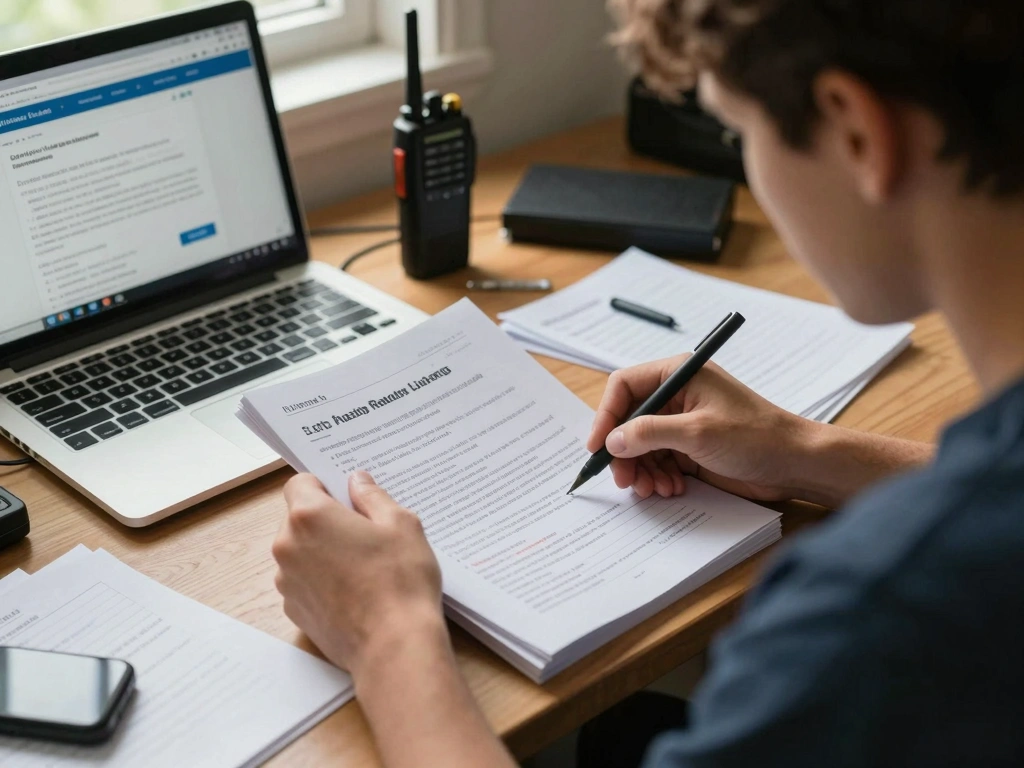
Preparing for the amateur radio licensing exam requires a combination of study resources and practice. Here are some recommended resources for first-timers:
- Books: "The ARRL Ham Radio License Manual" is a comprehensive guide for Technician, General, and Extra exams. It includes practice questions and answers to reinforce understanding.
- Online Courses: Websites like HamStudy.org and QRZ.com offer free or low-cost online courses, including flashcards and practice tests tailored to each license class.
- YouTube Channels: Channels like "Ham Radio Crash Course" and "The Smokin' Ape" provide engaging video tutorials covering exam topics, practical advice, and hands-on demonstrations.
Exam Formats and Expectations
The mechanics of the licensing exam vary by location, but in the U.S., the exams are typically administered in a multiple-choice format. Each exam includes a set number of questions, and candidates must achieve a passing score, which is usually around 74% for the Technician exam. The questions cover topics such as basic electronics, operating procedures, regulations, and safety practices. Candidates should familiarize themselves with the specific question pool relevant to their desired license class, which is available on the FCC website and amateur radio resources.
Finding Local Study Groups
Joining a local study group can enhance your preparation efforts significantly. Here’s how to find one:
- Local Amateur Radio Clubs: Most clubs offer classes and study sessions for aspiring hams. Look for clubs in your area through the ARRL website or by visiting local amateur radio events.
- Online Forums: Websites like QRZ.com and Reddit's r/amateurradio community can help connect you with local hams who may be organizing study groups or classes.
- Library Resources: Some libraries host amateur radio classes or may have study materials available for checkout.
Taking the Licensing Exam
What to Expect on Exam Day
On exam day, candidates should arrive early to ensure they have ample time to check in and settle down. Here’s a typical process:
- Check-In: Bring valid identification and any necessary documentation, such as proof of previous licenses if upgrading.
- Exam Format: Exams are usually administered by volunteer examiners (VEs) from local amateur radio clubs. Candidates will complete the exam on paper, marking their answers in a provided answer sheet.
- Time Limit: Candidates typically have a specific time limit, usually around 30 minutes, to complete their exam.
Tips for Passing the Exam
Here are some effective tips to help first-timers pass the licensing exam:
- Practice Regularly: Use practice exams to assess your knowledge and familiarize yourself with the question format.
- Understand Key Concepts: Focus on understanding concepts rather than rote memorization. This will help you tackle questions even if they are phrased differently.
- Stay Relaxed: On exam day, manage your stress by taking deep breaths and reading through the questions carefully before answering.
Understanding the Grading Process
After completing the exam, the grading process is typically swift. Volunteer examiners will review the answer sheets and provide results shortly after the exam concludes. If you pass, you will receive a certificate of completion, and your license application will be submitted to the FCC. If you do not pass, you can retake the exam after a waiting period, often the same day if you wish.
After Obtaining Your License
Choosing Your First Radio Equipment
Once you’ve successfully obtained your amateur radio license, it’s time to invest in your first radio equipment. Here are some considerations:
- Handheld Transceivers: For beginners, handheld radios, such as the Yaesu FT-60R or the Icom IC-73, are great choices due to their portability and ease of use.
- Base Stations: If you prefer a fixed installation, consider base stations like the Icom IC-7300 or the Yaesu FT-991A, which offer more power and functionality for HF and VHF/UHF communication.
- Accessories: Don’t forget essential accessories like antennas, power supplies, and headsets to enhance your operating experience.
Joining Local Amateur Radio Clubs
Becoming a member of a local amateur radio club can provide numerous benefits:
- Networking: Connect with experienced hams who can offer mentorship and guidance as you navigate your new hobby.
- Events and Activities: Clubs often host events, contests, and field days, providing opportunities to practice operating and make new friends.
- Access to Resources: Many clubs offer access to equipment, training sessions, and additional study materials for upgrading your license.
Continuing Education and Upgrading Your License
Once you've acquired your Technician license, you may want to consider upgrading to the General or Extra license. Here are some steps to continue your education:
- Study Advanced Topics: Expand your knowledge of radio theory, operating practices, and regulations through books and online resources.
- Take Practice Exams: Utilize practice tests specifically designed for General and Extra levels to gauge your readiness for the next exam.
- Attend Workshops: Many amateur radio clubs offer workshops or training sessions that focus on advanced topics and prepare you for the upgrade exams.
Exploring the World of Amateur Radio
Operating Procedures and Best Practices
As a new amateur radio operator, it's crucial to understand proper operating procedures and best practices:
- Understand Protocols: Familiarize yourself with commonly used operating protocols, such as "CQ" for calling other stations and "QSL" for confirming contacts.
- Use Clear Communication: Speak clearly and concisely, using standard phonetics for clarity, especially when communicating with operators from different countries.
- Respect Privacy: Always respect the privacy of other operators and avoid discussing personal or sensitive information over the air.
Participating in Events and Contests
Engaging in contests and events is a fantastic way to enhance your skills and experience the excitement of amateur radio:
- Field Day: An annual event where hams set up temporary stations in public locations to practice emergency communication.
- Contests: Many organizations host contests that challenge operators to make as many contacts as possible within a specific timeframe, promoting friendly competition.
- Special Events: Look for special events that celebrate significant occasions, often involving unique call signs and certificates for participating operators.
Building a Community and Networking
Amateur radio is not just about communication; it's also about community. Here’s how to build connections:
- Attend Local Meetings: Regularly attend club meetings to foster relationships with other hams and stay informed about local activities.
- Connect Online: Join online forums and social media groups dedicated to amateur radio, where you can share experiences, ask questions, and learn from others.
- Volunteer for Events: Offer your assistance at club events, public service operations, or emergency preparedness drills to solidify your role in the community.